
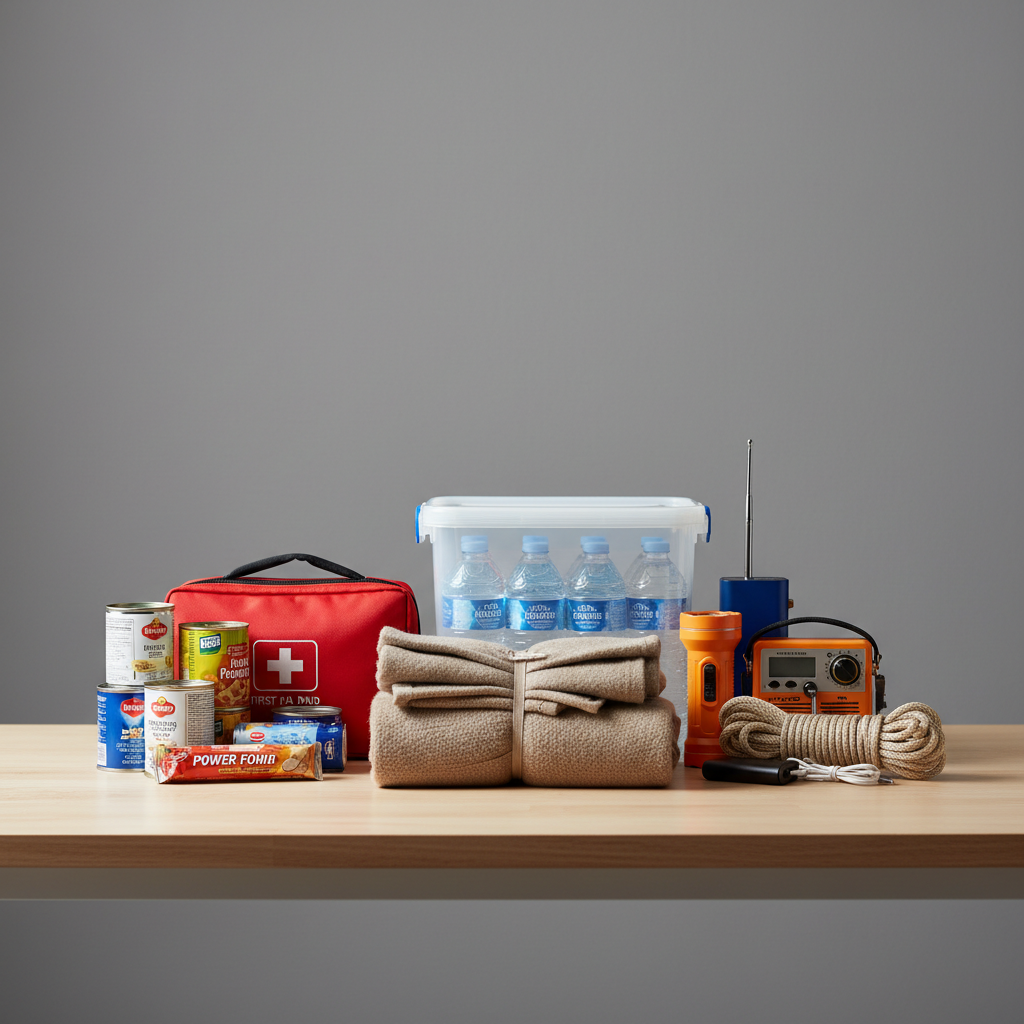

Hurricane season in Florida officially runs from June 1 through November 30, but smart preparation starts before a storm is on the radar. Once a named storm is approaching, supplies sell out quickly, gas lines get longer, and stress rises. A little planning now can make a major difference for your family, your home, your pets, and your ability to recover financially after the storm.
This guide walks through the essentials: what to buy, how much food and water to store, how to create a home inventory, what documents to protect, and how to build a family emergency plan. You can also download our printable hurricane supply checklist, home inventory checklist, and family emergency plan to keep everything organized.
Know Your Risk Before You Make a Plan
Not every Florida home faces the same hurricane risk. Your plan should be based on your evacuation zone, flood risk, storm surge exposure, home type, medical needs, pets, and local emergency instructions. Florida Disaster recommends checking local county emergency management resources because county guidance is the most locally relevant during an emergency.
Before hurricane season gets busy, look up your evacuation zone, sign up for local alerts, identify the closest shelters, and decide where you would go if evacuation orders are issued. If you live in a manufactured home, flood-prone area, barrier island, or evacuation zone, make those decisions early instead of waiting until traffic, gas, and hotel availability become an issue.
Take a Video of Your Home Before the Storm
One of the most overlooked hurricane prep steps is documenting your home before there is damage. A current home inventory can help with insurance claims, disaster assistance, tax documentation, and remembering what you owned if items are damaged or destroyed.
Use your phone to record a slow walkthrough of your home. Start outside with the front, back, sides, roofline if visible from the ground, fence, pool, patio, shed, landscaping, and any outdoor equipment. Then walk room by room inside. Open closets, drawers with valuables, cabinets, storage bins, garage cabinets, attic spaces, and pantry areas.
As you record, say the date out loud and describe major items, brand names, serial numbers, purchase dates, and estimated values when you know them. Take separate photos of high-value items such as electronics, jewelry, tools, appliances, furniture, artwork, collectibles, business equipment, and receipts. Save the video and photos somewhere cloud-based and consider sharing a copy with a trusted person outside your home.
Build Your Hurricane Supply Kit
Ready.gov recommends having enough food, water, and supplies to survive on your own for several days after an emergency. Florida officials encourage Floridians to keep at least 7 days of supplies because power outages, road closures, flooding, and supply disruptions can last longer than expected.
A good rule of thumb is at least 1 gallon of water per person per day. For a 7-day supply, one person needs at least 7 gallons, two people need 14 gallons, and a family of four needs 28 gallons. Add extra water for pets, medical needs, heat, cleanup, and baby formula if applicable.
For food, choose shelf-stable items your household will actually eat: canned meats, soups, beans, vegetables, fruit, peanut butter, crackers, protein bars, shelf-stable milk, cereal, applesauce, nuts, and comfort snacks. Remember a manual can opener, disposable plates, utensils, trash bags, and any special dietary items.
Do Not Forget Medications, Documents, and Cash
Your hurricane kit should include more than food and batteries. Refill prescriptions early when a storm is approaching, keep a printed medication list, and pack glasses, contacts, hearing aid batteries, medical devices, and chargers. If anyone in your household has medical, mobility, or access needs, register with your local emergency management office if applicable.
Gather important documents in a waterproof folder or digital vault. Include IDs, insurance policies, mortgage or lease documents, vehicle titles, birth certificates, Social Security cards, passports, medical cards, pet vaccination records, banking contacts, tax records, and emergency contacts. Keep cash in small bills because ATMs and card systems may be unavailable after a storm.
Review Your Insurance Before There Is a Storm
Do not wait until a hurricane is approaching to review coverage. Standard homeowners insurance generally does not cover flood damage, so homeowners may need a separate flood policy. Review your deductibles, hurricane/wind coverage, flood coverage, personal property limits, temporary living expense coverage, and how to file a claim.
Your home inventory is part of this process. It helps you know whether you have enough personal property coverage and gives you a better record if you need to file a claim.
Make a Family Emergency Plan
A family emergency plan answers the questions that become stressful during a storm: Where will we go? Who is picking up the kids? What if cell service is down? What about pets? What if we are separated? Who is our out-of-area contact?
Write down household phone numbers, medical needs, pet information, school or daycare contacts, work contacts, local and out-of-area emergency contacts, evacuation routes, meeting places, and shelter options. Choose one person outside your area who everyone can contact with updates. Printed copies matter because phones can die, get lost, or lose service.
Prepare Your Home Before Conditions Deteriorate
Before a storm threatens, test shutters, trim trees, clear gutters, check drainage, secure loose fencing, and know how you will protect windows and doors. When a storm is approaching, bring in patio furniture, plants, toys, garbage cans, grills, decorations, tools, and anything else that can become windborne debris.
Charge phones and battery packs, fill vehicles with gas, do laundry, lower freezer temperatures, make ice, and keep important supplies in one accessible place. If you use a generator, review safety rules in advance. Never use a generator indoors, in a garage, or near windows, doors, or vents.
After the Storm: Document Damage Before Cleanup
After the storm passes, wait for local officials to say it is safe before going outside or returning home. Avoid floodwater, downed power lines, unstable trees, damaged structures, and carbon monoxide risks from generators.
If your property is damaged, take photos and videos before cleaning up when it is safe to do so. Make temporary repairs to prevent further damage if needed, but save receipts and contact your insurance company before making major permanent repairs. Keep a record of calls, claim numbers, expenses, and conversations.
Download Our Free Hurricane Prep PDFs
Use these printable resources to get organized before the next storm: Hurricane Supply Checklist, Home Inventory Checklist, and Family Hurricane Emergency Plan.
Final Thought
Hurricane preparedness is not about panic. It is about reducing uncertainty. When your supplies, documents, inventory, insurance information, and family plan are ready before a storm is on the radar, you can make calmer decisions and focus on keeping your household safe.
Have questions? We're here to help.
Reach out to Kamish & Associates — Tampa Bay's trusted CPA firm.
Zach Kamish
Kamish & Associates CPA Firm · Tampa Bay, FL